Ten Books on the Craft of Writing Fiction
Tell me if this sounds familiar. You show someone your art—perhaps it’s a piece of writing, a painting, or even a crocheted sock—and they say, “You’re so talented. I could never do that.”
What they really mean is, “I don’t want to put the time and effort it takes to be good at that, so I’m going to pretend it’s an innate gift that you have to be born with.”
I’ve had this conversation with people many times. I usually say “Yes, you COULD actually do this,” and they argue with me as if I’m being self-deprecating. I remind myself that they are trying to be complimentary, even though it comes across as discounting the hours and hours I’ve put into learning.
The truth is, writing is an art, and it’s also a skill that you can learn to be better at with practice, education, and/or mentorship.
While two of the best ways to improve your craft are reading and, of course, writing fiction—instructional books (i.e. learning from experts) are next on the list. Reading advice from professional writers and editors can help you gain an understanding of various storytelling techniques. It’s useful to know the “rules” before you decide whether to follow or break them and to learn what has worked well for published authors.
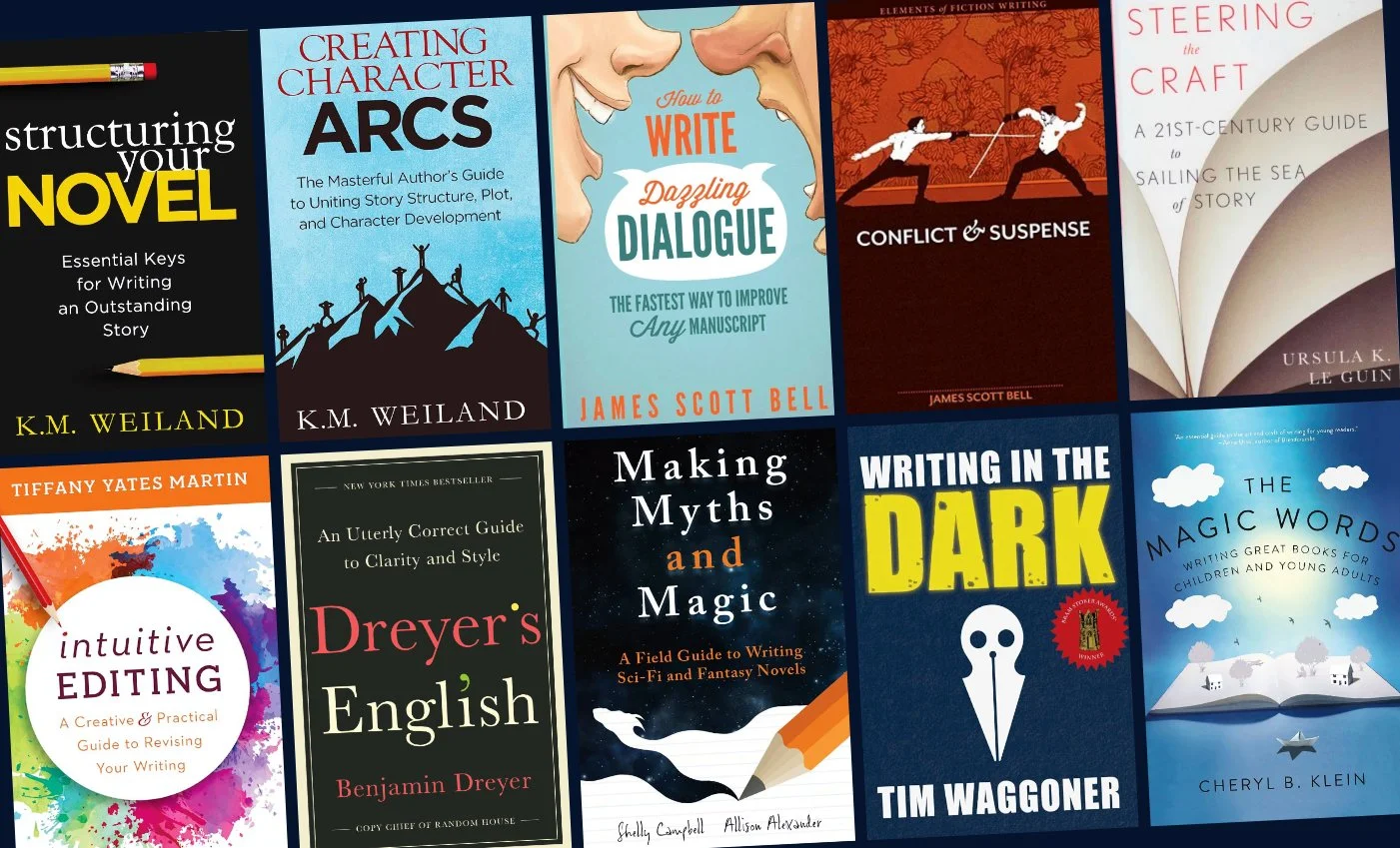
These are the books I recommend the most often to my clients. Structure, character arcs, dialogue, and tension/conflict are the issues that frequently crop up in the manuscripts I edit, so the first four titles on this list focus on each of those issues. The next three give helpful tips on self-editing, and the final three are genre- or age-specific. Grab a book and level up those skills!
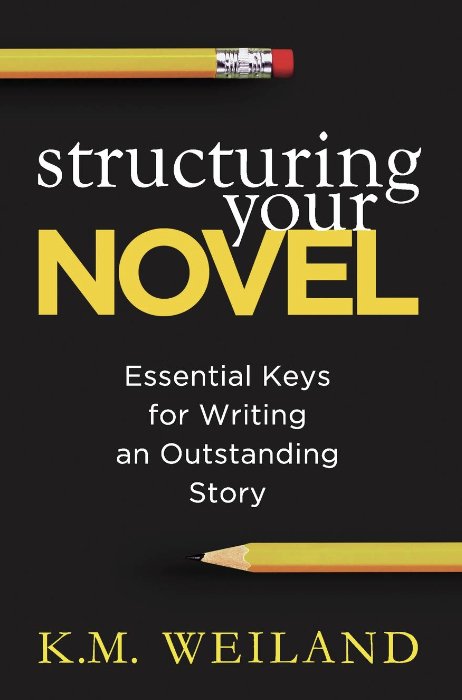
1. Structuring Your Novel by K.M. Weiland
“Readers are like fish. Smart fish. Fish who know authors are out to get them, reel them in, and capture them for the rest of their seagoing lives.” —K.M. Weiland
K.M. Weiland makes structure simple to understand. This book focuses on three-act structure, which is the most common type in North American stories.
You will learn how to hook readers with your first line, where to begin your novel, and the basic plot points in three-act structure. In addition, the book has a whole section on how to structure a scene, the difference between plot goals and scene goals, and how to create conflict in a scene. I particularly like how Weiland uses examples from film and literature to demonstrate her points.
2. Creating Character Arcs by K.M. Weiland
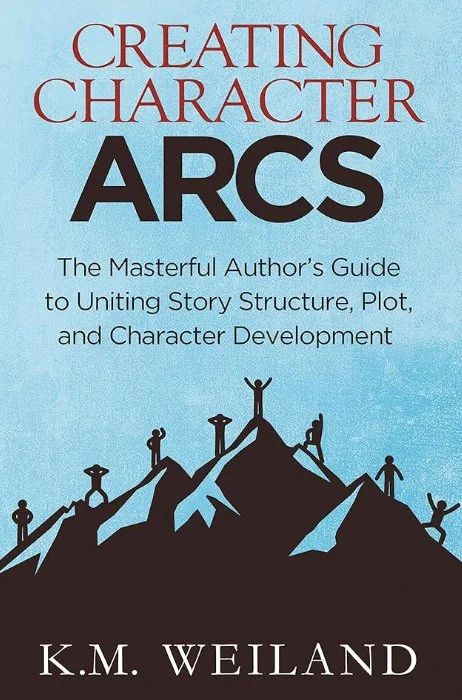
“How should you create your character arcs? Where do you find their foundation? How do the important moments in story structure affect (and are affected by) the important moments in character arc? In short, how does character arc work?” —K.M. Weiland
The quote above really says it all on what this book is about. Weiland explains three types of character arcs: positive, negative, and flat. She also links character arc advice with story structure, so reading the previous book first may be helpful.
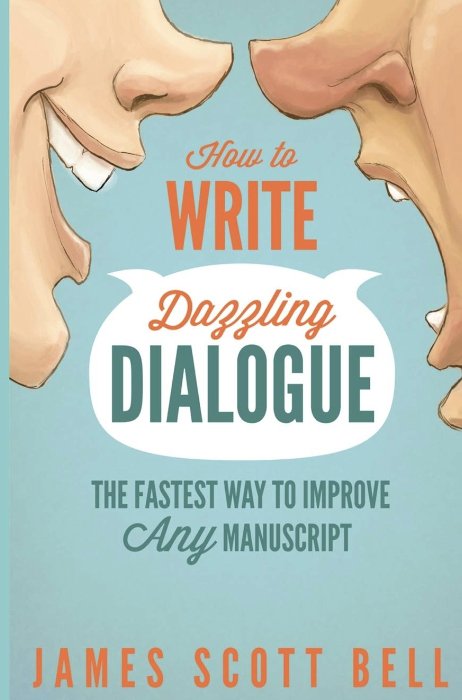
3. How to Write Dazzling Dialogue by James Scott Bell
“Great dialogue increases [reader] confidence in the author. That, in turn, makes it more likely they’ll finish your book. On the other hand, flabby dialogue will dull the motivation to read on. Which kind of makes dialogue important, don’t you think?” —James Scott Bell
Great dialogue really does make a huge difference in reader enjoyment, and writing great dialogue is a skill that takes time and practice to master.
One of the common reasons that dialogue feels boring is when it mimics reality too well. Another is if there is little tension. Another is… well, why don’t you read this book, because Bell goes over everything, including what dialogue is and isn’t, how to increase conflict using dialogue, and top ten dialogue issues. This book is not only full of helpful advice, but examples of how to do it.
4. Conflict and Suspense by James Scott Bell
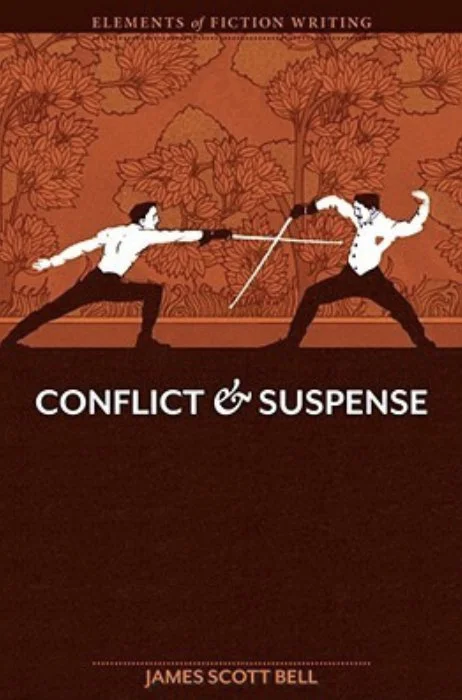
“When a reader describes getting ‘caught up’ in a novel, it’s just shorthand for saying that trouble is happening to a character, or group of characters, and the reader wants—no, needs—to see what happens.” —James Scott Bell
When readers sit on the edge of their seats turning pages, it’s because of conflict and suspense. Understanding how to imbue your story with these two elements is key to reader enjoyment, and James Scott Bell goes over everything you need to know to master them.
5. Steering the Craft by Ursula K. Le Guin
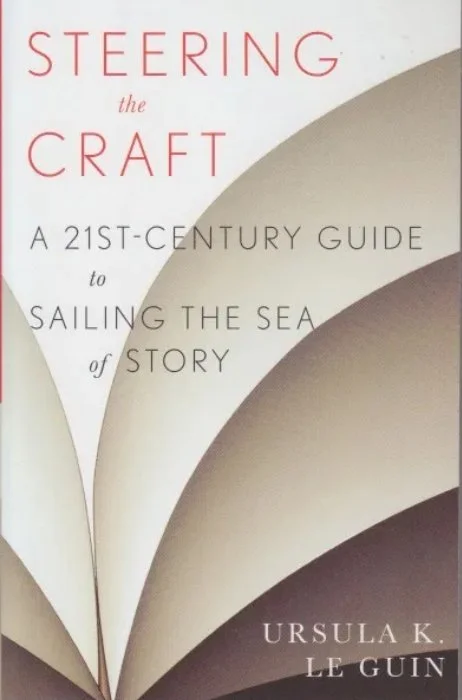
“There’s no sea chart for a boat in a hurricane. But there are still some basic ways to make her seaworthy and keep her from capsizing, going to pieces, or hitting an iceberg.” —Ursula K. Le Guin
This book is largely about line-level techniques that are best applied after structural and developmental changes have been made. Like Le Guin says in the intro, it is not for beginners, but for writers who have already been working on improving their craft. Le Guin tackles punctuation, syntax, point of view, and more, and she includes examples and exercises.
6. Intuitive Editing by Tiffany Yates Martin
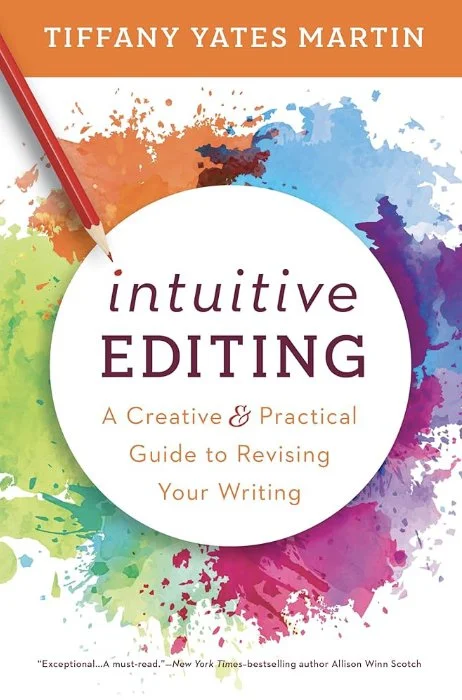
“Editing your own writing can feel like doing your own brain surgery: No matter how good you may be at the technical procedure, it’s all but impossible to be quite so adept when you turn the scalpel inside your own head.” —Tiffany Yates Martin
This is my favourite book on editing (and I’ve read a lot)! Martin tackles big-picture issues like character, stakes, and plot, along with line-level topics, and each chapter has really handy “How to Find It” and “How to Fix It” sections.
7. Dreyer’s English by Benjamin Dreyer
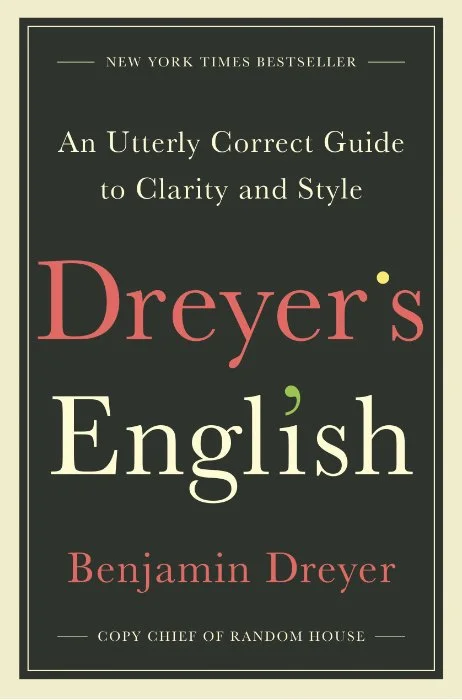
“In setting out to write this book, I settled on my own ground rules: that I would write about the issues I most often run across while copyediting and how I attempt to address them, about topics where I thought I truly had something to add to the conversation, and about curiosities and arcana that interested or simply amused me.” —Benjamin Dreyer
If you’re looking for advice on style and clarity, many will point you to Strunk and White’s classic The Elements of Style. However, I find Strunk and White too prescriptive and prefer Dreyer’s English. This book is full of great advice on grammar, punctuation, confusables, and more for the copyeditor in you.
8. Making Myths and Magic by Shelly Campbell and Allison Alexander
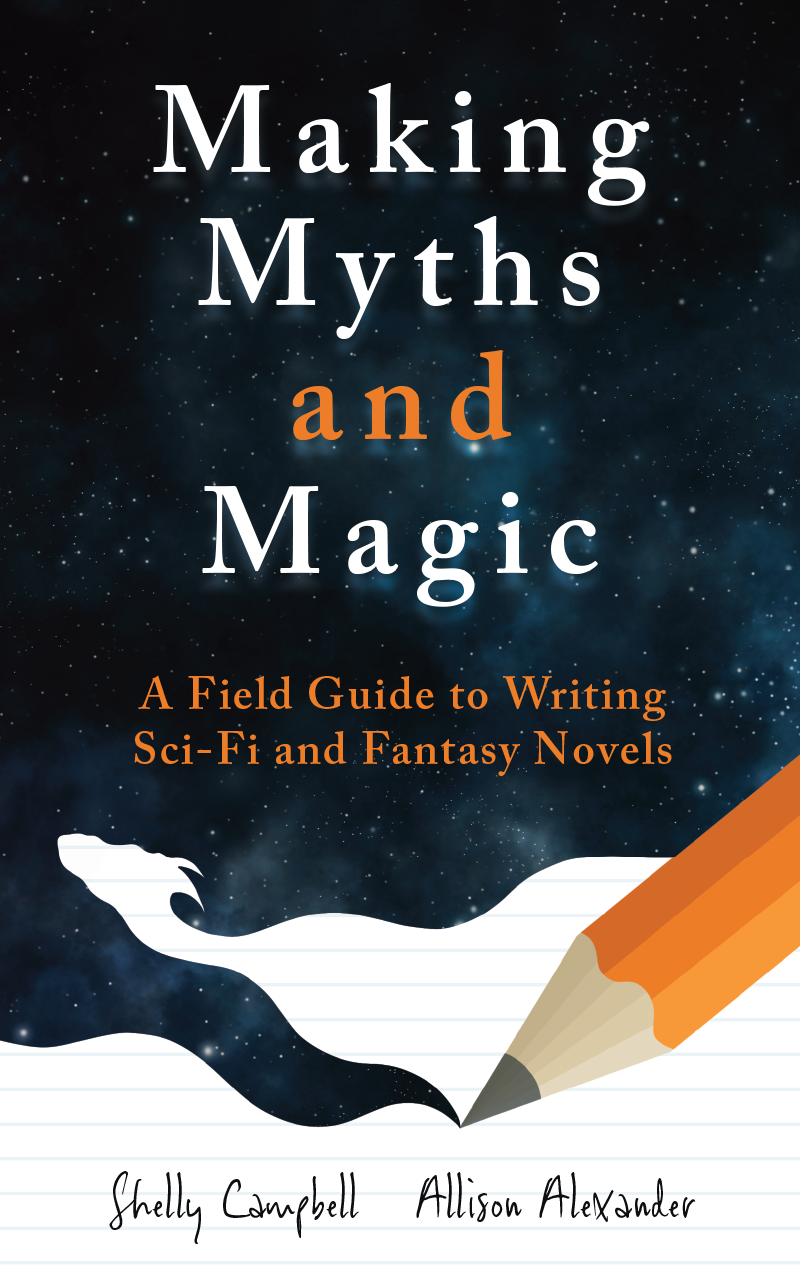
“There is no correct way to write a novel. As an editor and author team, Shelly and I point to things that have worked from our experiences in publishing and from our bleary-eyed nights of research. We also pull examples from all corners of our favourite sci-fi and fantasy media for your inspiration (beware spoilers).” —Allison Alexander
Well, obviously I am biased, because I co-wrote this book with fantasy author Shelly Campbell, but I think it’s pretty neat. It’s got sections on structure, hooking readers, fantasy and sci-fi tropes, character arcs, and worldbuilding.
9. Writing in the Dark by Tim Waggoner
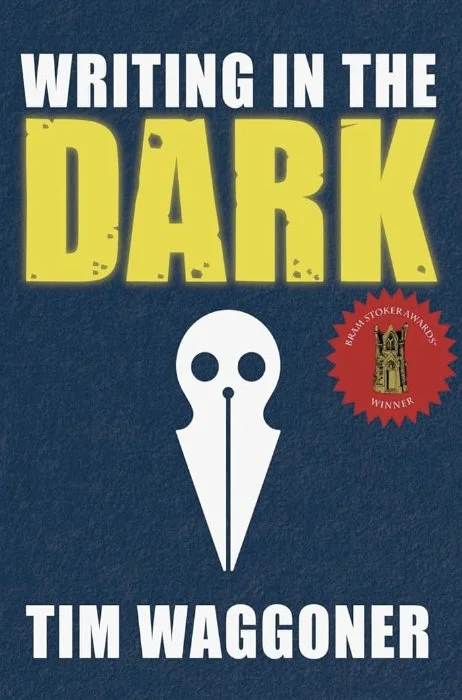
“We all have a dark side that whispers to us, a side that we struggle against and ultimately need to make peace with if we don’t want it to destroy us. In many ways, that’s probably the most primal story of humanity. Horror fiction gives us a safe way to explore and—hopefully—come to terms with our dark side.” —Tim Waggoner
My copy of this book is so marked up that I’m not even sure why I bothered taking a pencil to it at all. It’s everything you need to know about writing horror, including its different types, how to avoid cliches, how to build monsters, how fear affects characters, techniques for creating suspense, and more.
10. The Magic Words by Cheryl B. Klein
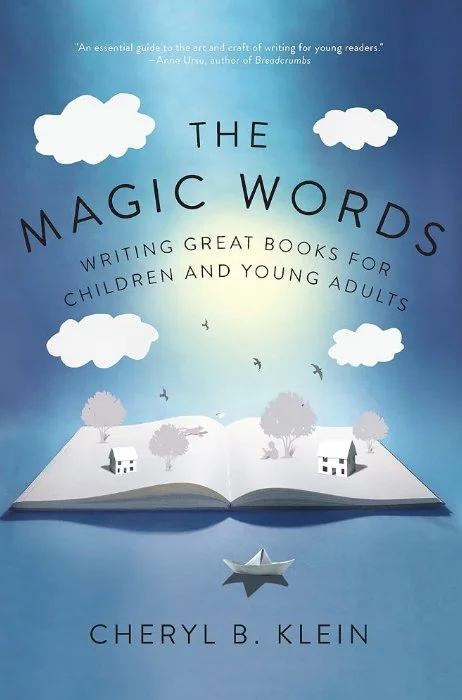
“In good children’s and young adult books, the emotional experiences offered by the book will be appropriate to the reader’s age, and then will speak to or expand the reader’s own emotional experience.” —Cheryl B. Klein
Writing for kids is wildly different than writing for adults. This guide goes over how to write for various age categories and includes tips on creating characters, structure, scenes, and understanding your readership. If you write YA or middle grade, this is a valuable resource.
Disclosure: I am an affiliate of Bookshop.org, so if you click through and purchase any of the books linked in this article, I will earn a small commission AND you will support an indie book store!
